Getting a new central air system should be a relief. You pay, hope the house will stay cool, and expect lower humidity and fewer breakdowns. When the installation is flawed, relief turns into a drip of problems: higher bills, uneven rooms, and systems that die when you need them most. I’ve seen dozens of poorly executed installs in and around Needham, and the mistakes repeat. Below I describe the clearest signs something went wrong during your AC installation, how to verify them, what they cost in time and money, and realistic next steps — including when to call Green Energy AC Heating & Plumbing Repair or search for emergency AC repair near me.
Why this matters A botched installation does not always show up the first month. Small misalignments, wrong refrigerant charge, or poor ductwork can develop into compressor failures, frozen coils, and constant calls for AC repair in Needham MA. Catching problems early saves money and keeps your warranty intact.
What I look for first: immediate, obvious signs The earliest indications are sensory: sounds, smells, and airflow. A properly installed system should sound like background noise, not an urgent problem. Watch for persistent rattles or clanks when the compressor starts, burning smells during first runs, or a steady stream of condensation around the indoor unit. Those are red flags suggesting mechanical stress, electrical miswiring, or drainage problems.
Uneven cooling across rooms If one bedroom is freezing and another barely registers a drop, start paying attention. Uneven cooling can result from a mismatch between the system size and the home load, improperly balanced ductwork, or blocked vents installed during the final walk-through. In practice I’ve measured temperature spreads of six to ten degrees in houses where installers skipped a proper Manual J load calculation. A correctly sized system and balanced ducts will keep most rooms within one to two degrees of each other under steady conditions.
Short cycling and excessive cycles per hour Short cycling means the system turns on and off more frequently than it should. This wears the compressor out and spikes electricity use. Normal operation for a properly sized and installed residential AC is typically four to six cycles per hour during steady-state cooling in hot weather. If your system is cycling every 10 to 15 minutes, that suggests an oversized unit, thermostat misplacement, or incorrect refrigerant charging. Thermostats placed near return vents, in direct sunlight, or above heat-generating appliances can trigger false calls for cooling.
High energy bills despite "like-new" equipment A new unit paired with a 25 percent jump in the electric bill is not a coincidence. Improper refrigerant levels, poor duct sealing, or incorrect blower fan speed settings can cut efficiency sharply. For example, a 20 percent undercharge of refrigerant can reduce capacity and increase run time by roughly the same amount, though exact numbers depend on system design. If you suspect inefficiency, compare your usage to the prior cooling season adjusted for degree days. If you do not want to crunch numbers, a service call for AC repair in Needham MA that includes a performance test is worth the peace of mind.
Noisy outdoor unit and vibration Mounting matters. The outdoor condenser needs a solid, level pad and some clearance on all sides for airflow. An outdoor unit that rocks, clangs, or hums loudly during operation is either not secured, has a bent fan blade, or suffers from misalignment of internal components due to rough handling during installation. Over time vibration can loosen electrical connections, leading to intermittent failures or a burned-out compressor. In an older multi-unit installation I worked on, poor mounting led to repeated capacitor failures until the condenser was re-leveled and isolated from the deck.
Refrigerant leaks and oily residue Refrigerant lines should be sealed, insulated, and pressure tested at the end of installation. If you spot oily stains on service ports, refrigerant lines, or near fittings, that often signals a slow leak. Low refrigerant will cause the evaporator coil to ice up and drop capacity. A leak also voids or complicates warranty coverage for the refrigerant circuit. Have a certified technician verify the charge with gauges and perform a leak test. For local searches, homeowners often look up emergency AC repair near me when leaks cause sudden loss of cooling.
Frozen evaporator coil or icy lines Ice on the indoor coil or refrigerant lines is a visible symptom of an underlying issue. Causes include inadequate airflow from clogged or incorrectly sized return ducts, wrong refrigerant charge, or a failing blower motor. I once inspected a home where the return grille had been relocated during a bathroom remodel and the installer failed to compensate. The result was repeated coil icing until ductwork was corrected. If you see ice, turn the system off and call for service rather than letting it thaw and run again, which can flood the drain pan and damage electronics.
Poor drainage and water damage Drain lines must slope continuously to an external drain or condensate pump. Installing a drain with a flat run, a trap too high, or using the wrong diameter will cause backups. That leads to overflowing pans, water stains on ceilings, and, in some cases, mold growth. When I respond to calls for water damage after a new install, more than half the time the problem comes down to a poor drainage route or a missing secondary safety pan and float switch.
Electrical problems and tripped breakers Loose connections, incorrect wire sizes, or missing surge protection can result in tripped breakers, burned wire insulation, or even scorched contactors. The outdoor unit typically requires a dedicated circuit sized to the manufacturer’s minimum circuit ampacity. If the installer used an undersized wire or didn’t torque connections properly, expect intermittent shutdowns and potential hazards. If your breaker trips immediately when the compressor starts, do not repeatedly reset it; call a licensed technician to diagnose the electrical fault.
Poor refrigerant line insulation and energy waste Line-set insulation keeps the liquid refrigerant from warming before it reaches the expansion valve. If the insulation is thin, split, or missing, performance and efficiency fall. In humid climates, poor insulation also invites condensation on the line set, dripping onto the foundation or deck. On a retrofit job in Needham, I saw installers leave exposed line-set running along siding; the owner faced recurring sweating and staining until it was re-insulated and secured away from the house.
Warranty and documentation mistakes A professionally executed installation includes paperwork: signed work order, manufacturer registration for the new equipment, and a clear list of warranty steps. If your installer fails to register the unit or leaves you without basic manuals and service records, you may have trouble claiming warranty repairs later. I always advise homeowners to keep the invoice, model and serial numbers, and a copy of the outdoor unit start-up form. Those items make a difference when you need AC repair in Needham MA under warranty.
A short checklist to confirm immediate next steps
- Look and listen. Note strange noises, ice, oil spots, or water pooling. Measure temperatures. Compare return and supply air with a simple thermometer, expect 12 to 20 degrees Fahrenheit difference across a properly functioning system in cooling mode. Check the breaker. If it trips, stop and call a pro; repeatedly resetting can burn components. Gather paperwork. Find the installation invoice, warranty cards, and any startup checklists the installer left.
What a good diagnostic visit will include A thorough diagnostic visit from a reputable company will document the system's operating pressures, superheat and subcooling where appropriate, amperage draw on the compressor and fan motors, static pressure in the ducts, and a visual inspection of the termination, refrigerant line insulation, and drain configuration. They will also verify thermostat placement and programming. Expect a competent technician to spend 45 to 90 minutes for a full startup and verification on new systems. If a company offers a 10-minute drive-by with no gauges or airflow measurements, that is a warning sign in itself.
Common installer shortcuts I’ve seen Installers under time pressure sometimes cut corners. They might skip a full load calculation and estimate equipment size by square footage alone, which can be misleading in older houses with little insulation. Duct connections may be sealed with common duct tape instead of mastic, which degrades. Outdoor condensers can be set on uneven surfaces without vibration isolation. Line lengths beyond manufacturer recommendations can be used without compensating for charge. These shortcuts save the installer time but cost the homeowner in efficiency and longevity.
What it costs when installation AC repair in Needham MA is wrong Costs vary, but there are predictable ranges. Sealing and balancing ducts might run $300 to $1,200 depending on scope. Correcting refrigerant charge or repairing a leak typically falls between $150 and $800, unless the compressor fails, which can be several thousand dollars. Replacing a mis-sized system because cooling is inadequate or humidity control fails can reach full replacement costs. Warranty complications can shift those costs back onto the homeowner. When you face a cost estimate, weigh immediate repair against potential future failures and warranty status.

When to call Green Energy AC Heating & Plumbing Repair or search emergency AC repair near me Call for an emergency when the system stops cooling entirely during a heat wave, when there are burning electrical smells, or when water is actively leaking into living spaces. For non-emergencies, schedule a diagnostic that specifically lists performance verification, refrigerant measurement, and duct pressure testing. Green Energy AC Heating & Plumbing Repair is familiar with regional issues in Needham, including older housing stock and variable attic duct runs. If you use the company, ask what startup checklist they follow and whether they register the equipment with the manufacturer before technicians leave.

How to avoid bad installs in the first place Interview prospective installers. Ask for proof of license and insurance, references from recent homeowners in Needham, and copies of the load calculation they used. A reliable installer will explain trade-offs: the pros and cons of a two-stage compressor, the impact of variable-speed blowers on humidity, and whether your ductwork needs sealing. Expect clear answers and a written scope. If an estimate is significantly lower than others, ask why. A low bid often means shortcuts later.
A short list to ask the installer before signing
- Do you perform Manual J and D calculations on every job? Will you provide a startup checklist and register the unit for warranty? What materials do you use for duct sealing and line-set insulation? Who will be the on-site supervisor and what are their qualifications?
Dealing with the aftermath of a bad installation If you suspect the installation was done incorrectly, document everything with photographs, notes of temperatures and sounds, and copies of the contract and invoices. Contact the installer first, give them a chance to inspect and correct the issue, and set a reasonable deadline for repairs. If they refuse, and you have clear evidence of malpractice, escalate to local licensing boards or the state consumer protection office. Many parts of Massachusetts have processes for resolving contractor disputes. Simultaneously, obtain an independent diagnostic from a reputable company to establish objective measurements. That second report is often the leverage needed to enforce corrections or claim warranty service.
When replacement is the best option Sometimes the cost to repair a bad installation approaches the cost of replacing the entire system, particularly if the wrong unit was chosen initially. Consider replacement when equipment is mismatched to house loads, ductwork is undersized and requires major rework, or when the compressor has failed within a short time after installation. A replacement also gives the chance to upgrade to better controls, install a properly sized variable-speed blower, and correct duct architecture to improve overall indoor comfort and energy use.
Final practical notes for Needham homeowners Keep records and insist on the basics: load calculations, a signed startup checklist, and proof that HVAC company near me Green Energy AC Heating & Plumbing Repair the system was tested under load. If you need AC repair in Needham MA, prioritize companies that provide written findings, clear cost breakdowns, and a plan to restore warranty compliance if that was compromised. When searching for emergency AC repair near me, pick providers that answer calls promptly and demonstrate understanding of common regional issues such as tight attics, older ducts, and humid summer spikes. A well-installed system should disappear into the background and keep you comfortable, not become a recurring source of stress and expense.
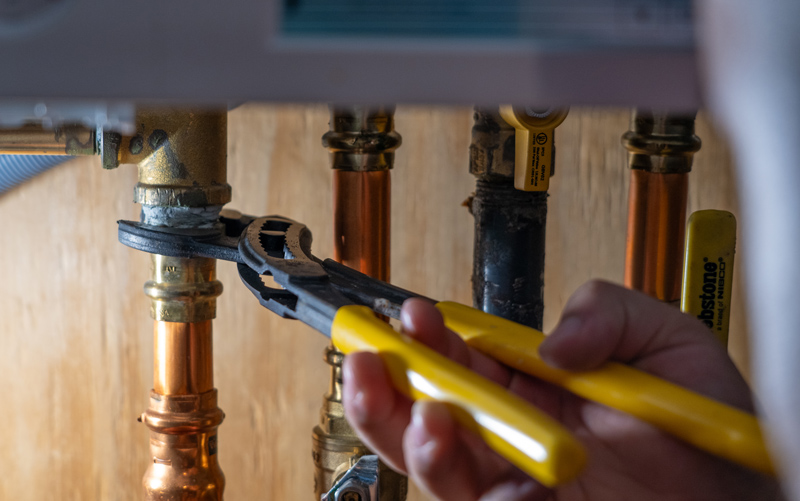
You paid for cool air and reliability. If your new system is doing anything on this page, act now. Early action is usually cheaper than repairing an avoidable failure later, and a thoughtful technician will save you both money and the sweat.
Green Energy AC Heating & Plumbing Repair
10 Oak St Unit 5, Needham, MA 02492
+1 (781) 819-3012
[email protected]
Website: https://greenenergymech.com